



Keeping units in operation for as long as possible has become one of the main demands of freight transport companies, which are looking not only for vehicles with greater fuel efficiency and durability , but also to reduce downtime associated with maintenance.
Key performance indicators (KPIs) for secondary distribution fleets continue to focus on fuel consumption, safety, and the useful life of the units , explained José García, Fleet Manager at Isuzu Motors de México .
In terms of safety, the requests from carriers point towards a greater incorporation of operator assistance systems, as well as elements that allow them to expand their field of vision and reduce risk conditions during journeys.
However, the sector’s demands extend beyond the technical specifications of the vehicles. Efficient after-sales service represents another challenge for manufacturers, both in serving individual truck drivers and large fleets.
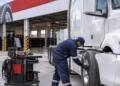
The carriers aim to make each maintenance visit as smooth as possible and ensure that “the vehicle spends, of course, the least amount of time possible stored in workshops and the most time possible on the streets delivering goods,” García emphasized.
In response to these needs, Isuzu has focused its efforts on improving its existing products, as well as expanding its portfolio in response to customer requests, with the addition of the D-MAX pickup and the Forward 1800 and Forward 2000 vehicles .
Availability as a profitability factor
In secondary distribution operations , an out-of-service unit can represent not only maintenance costs, but also delivery delays, route planning modifications, and a reduced capacity to meet customer demand.
This scenario is relevant both for large transport companies and for the owner-truck driver, particularly for those whose source of income depends on the operation of a single unit.
Therefore, in addition to fuel efficiency, aspects such as component durability and reduced downtime in workshops should be considered when evaluating the total cost of operating a vehicle .
Specifically, efficiency in service and after-sales experience are among the main challenges that Isuzu currently identifies in the industry, García noted.
Thus, the ability of manufacturers to offer solutions that allow units to remain in circulation becomes more relevant in the purchasing decisions of carriers, for whom the profitability of a vehicle depends not only on how much fuel it consumes, but also on the time it remains generating income.
Comment and follow us on LinkedIn: @Karina Quintero / @GrupoT21