LIMA, PE.- The global airline industry is navigating an increasingly complex environment, where geopolitical tensions, tariffs and supply chain disruptions have ceased to be isolated events and have become structural factors that put pressure on costs, routes and operational strategies .
From the perspective of the International Air Transport Association (IATA) , one of the most immediate impacts is reflected in fuel consumption, a critical variable that affects both the profitability of airlines and the final cost of passenger and cargo transport.
“Oil prices remain very high, exceeding our forecasts, and this will have an impact on the industry, making it difficult to know the extent of that impact. We will once again demonstrate our resilience in overcoming these challenges,” warns Willie Walsh, Director General of the organization, speaking at the IATA World Cargo Symposium 2026 (WCS) in the Peruvian capital.
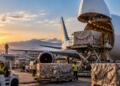
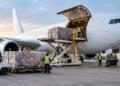
The rise in fuel prices doesn’t happen in a vacuum. The closure of airspace in various regions of the world has forced the redesign of routes , extending flight times and increasing energy consumption, which simultaneously reduces available cargo capacity.
“By closing the airspace, planes take longer to reach their destination, which requires more fuel and reduces the amount of cargo available. The price of oil is what will affect costs for both passengers and cargo,” he says.
In this scenario, air cargo has had to operate under one constant principle: adapt. This is the view of Brendan Sullivan, IATA’s Global Head of Cargo, who emphasizes that disruptions, beyond armed conflicts, also stem from commercial decisions such as the imposition of tariffs .
Comment and follow us on LinkedIn: @Evangelina del Toro / @GrupoT21