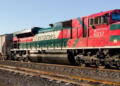
In a global environment marked by protectionist policies and trade tensions, North America’s rail system is undergoing an unprecedented transformation. The steel wheels, traditionally considered a stable link in transportation, are becoming the engine of logistical integration that is redefining the map of continental trade. Mergers, strategic alliances, and new intermodal products are now the instruments of a phenomenon that is propelling rail to regain prominence in the era of nearshoring .
“The rail sector is experiencing a moment like few others,” says Francisco Fabila, president of the Mexican Association of Railroads (AMF). “We are seeing mergers, those that have already been completed, those that have been announced; however, it is not just about mergers but about all these synergies where new products are being announced, such as intermodal services, where a container, through strategic partnerships in North America, is transferred from one railroad to another, and another, and another.”
For Fabila, the key lies in interoperability: in making it possible for different companies, systems and terminals to act as a single network, capable of moving cargo continuously across three countries.
“This value proposition, which is being advertised more and more, refers to the work being done by the railways to create developments and new opportunities to increase cargo volume,” he points out.
The dynamism of cross-border rail transport between Mexico, the United States, and Canada confirms this trend. It is the only segment that has reported sustained growth, despite political and trade uncertainties. “Considering all the current discussions—tariffs or not, protectionist policies—the numbers and volume clearly demonstrate that we are growing,” Fabila emphasizes.
To continue reading this text, we invite you to review the T21 magazine in its November 2025 edition; just click here to go to the electronic version.