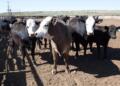
The signing of the binational plan between Mexico and the United States to combat the cattle screwworm constitutes a strategic action to preserve animal health, protect livestock production, and maintain the international competitiveness of Mexican meat.
The screwworm is a pest that affects warm-blooded living animals, entering through open wounds.
However, according to Alonso Fernández Flores, president of the National Association of Federal Inspection Type Establishments (ANETIF) , there is no risk to consumers for products processed under the TIF system.
“It has been a major issue, but fortunately, products produced in TIF plants have a 100% guarantee that there will be no risk. When a product enters the TIF system, it begins in a slaughterhouse with federal inspection, complying with all safety and quality standards. It’s impossible for consumers to be affected thanks to the protection this system offers,” he stated in an interview.
Fernández Flores stated that, in the case of exports to the United States, the majority of shipments are value-added , such as processed and cooked products, which further reinforces food safety controls.
The president of ANETIF emphasized that the Mexican meat industry is strategic at the national level , ranking as the eighth largest producer in the world , with more than 11 million tons of meat per year .
“Chicken is the most consumed protein in Mexico, followed by pork and beef. We currently have 443 TIF establishments , which guarantee quality and safety in production. The sector not only supplies the domestic market, but also generates foreign currency and employment, and we are the main supplier of food to the United States,” he explained.
However, he acknowledged that structural challenges persist, such as limited cold storage infrastructure, high logistics costs, and security issues .
“We must understand and address these challenges to continue growing and consolidate Mexico’s position in the international market,” he added.
In this context, during the third regular session of the ANETIF Board of Directors, held in Mexico City, a binational plan was signed between Mexico and the United States that includes surveillance measures, regionalization, and the use of innovative technologies , such as the release of sterile flies, which will contribute to containing the plague and regaining the confidence of international markets, Fernández stated.
“We at ANETIF welcome this agreement, as it represents a firm step toward protecting the national livestock heritage and ensuring the competitiveness of the Mexican meat industry globally,” said the president of ANETIF.
During the session, José Luis Meza Villarreal, director of Investor Group , presented an economic overview of the meat sector, noting that the industry faces unprecedented challenges due to factors such as insecurity, water shortages, limited financing, geopolitical risks, and the threat of re-emerging pests.
However, it also identified opportunities for 2026, where added value (30%) , market diversification (25%) , the application of new technologies (20%) , sustainability (15%) and global alliances (10%) will make the difference in the competitiveness of the Mexican industry.
Among the key innovations he mentioned are Artificial Intelligence ( AI) for carcass inspection, robotic butchering, real-time animal health monitoring, and optimized feeding , which will enable smarter and more sustainable production.
Alonso Fernández emphasized the need to prepare new talent to face the industry’s challenges , announcing training programs promoted by the ANETIF Foundation , including the diploma in Sustainability for the Meat Industry, which began on August 21 in collaboration with the Monterrey Institute of Technology, as well as an international internship in Canada.
He also noted that TIF certification is an essential requirement for export and a globally recognized distinction.
“Today we export to more than 74 countries, including the United States, Japan, and Korea, but we are negotiating for other markets. The TIF seal has opened those doors for us and is a key driver of growth for the industry. That’s why it’s essential to continue promoting it and for consumers to know what’s behind that seal,” he stated.
Comment and follow us on X: @jenna_GH_ / @GrupoT21