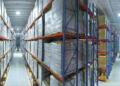
The cold chain in Mexico is undergoing an unprecedented transformation. Increased protein consumption, the arrival of new import sources, the boom in e-commerce, and pressure from sectors like pharmaceuticals have triggered a demand that far exceeds the available infrastructure.
For years, the protein entering Mexico, primarily from the United States, arrived fresh, reducing the need for refrigeration. But this model is outdated, and with the entry of countries like Brazil and Argentina , now the world’s largest exporters, virtually all imported protein arrives frozen.
“This change has triggered an unprecedented demand for temperature-controlled storage and handling,” Adrián Madero, commercial director of Emergent Cold LatAm , explained to T21 . This has driven sustained expansion in the refrigerated and frozen products segment, forcing the industry to rethink its infrastructure.
In this regard, although Mexico increased its refrigeration capacity from 14 million m3 in 2020 to 17 million in 2025 , the country maintains a structural deficit of one million m3, warns Carlos Infante, director and founder of Kryotec . “Although capacity has grown, we still are not meeting the real market demand,” he asserts.
This deficit is felt differently in each region. While Monterrey, the State of Mexico, and Jalisco concentrate most of the modern infrastructure, the south-southeast of the country operates with scarce facilities, low energy availability, and less industrialization , which limits its integration into agri-food chains.
Comment and follow us on X: @jenna_GH_ / @GrupoT21