Continental announced the expansion of its use of recycled and renewable materials in tire production. The company stated that it aims to increase the proportion of these materials from 26% in 2024 to 40% within the next five years .
“We are not reinventing the wheel, but we are reinventing the tire, with more sustainable materials and production processes that are more compatible with the environment,” said Matthias Haufe, Head of Materials Development and Industrialization at Continental Tires.
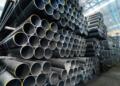
In a statement, the company indicated that the focus is on materials that reinforce the tire structure and ensure performance throughout its lifespan. Steel and textiles represent approximately 18% of the components in passenger car tires, with an even higher proportion in commercial vehicle tires. Therefore, the company has incorporated recycled steel and polyester derived from PET bottles , in addition to technologies such as COKOON for textile-rubber bonding.
The company also explained that it uses synthetic rubber derived from used cooking oil, resins from biological waste, and silica from rice husks . These alternatives are integrated into all raw material groups to diversify the origin of the components. The goal is to move towards more environmentally friendly production processes.
Recycled steel is incorporated into the casings, bead cores, and belt layers of passenger car and commercial vehicle tires . These reinforcements improve puncture resistance, stability, and fuel efficiency without compromising safety or performance. Recycled polyester is obtained from up to 15 PET bottles per tire , transformed into textile cords using ContiRe.Tex technology developed in partnership with OTIZ. This application, verified by SGS, reduces carbon dioxide (CO₂) emissions by 28% compared to fossil fuel alternatives. This material is already used in models such as the UltraContact NXT, with bottles collected in regions without closed recycling systems.
The COKOON technology , developed with Kordsa, allows for the bonding of reinforcing textiles to rubber without reorcinol or formaldehyde . It is offered as an open-source, license-free solution for manufacturers and suppliers in the industry. The company explained that this aims to promote more sustainable production practices in the tire sector.
Continental recorded sales of €39.7 billion in 2024 and employs 95,000 people in 54 countries. Its Tires division generated €13.9 billion and has more than 57,000 employees in 20 production and 16 development centers.
Comment and follow us on X: @GrupoT21