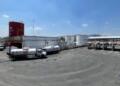
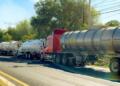
On September 23, the National Energy Commission (CNE) published an agreement in the Official Gazette of the Federation (DOF) announcing the guidelines for beaconing and technical requirements for the global positioning system (GPS) of vehicle units that have permits for transportation and distribution by means other than pipelines for petroleum products, liquefied petroleum gas, and petrochemicals.
This measure is relevant to transportation and distribution , which must be complied with by vehicle units registered or registered with the CNE and that have the necessary permits for the relevant activities.
The provision referred to considers the marking of motor transport units, both motorized and trailer, as well as railway equipment, as well as the implementation of GPS and QR codes that display vehicle units registered with permits for transport and distribution by means other than petroleum pipelines.
“This measure is related to fuel traceability, origin and destination, legal origin of products, as well as legitimate ownership of fuels, routes, and authorized destinations,” Carlos Vallejo, founding partner of QUA Energy Consulting, told T21.
Based on a document sent by QUA Energy Consulting to its clients, the measures include the QR code being printed on durable, reflective, and visible decals, allowing for electronic verification of permits, the legality of the unit, current insurance, routes, and transported volumes.
“The information will be partially accessible to citizens and fully accessible to authorities through the SIRACP system,” the QUA Energy Consulting document states.
Regarding markings, they must comply with standards of durability and daytime and nighttime visibility.


Regarding GPS technical requirements , all units must have an active, certified GPS system with real-time transmission under secure protocols.
One thing that stands out in the DOF publication is that records must be kept for at least 12 months, while the omission or manipulation of GPS will be considered a serious offense and will be penalized.
Regarding the deadlines, it is important to note that the CNE must issue and notify QR codes to permit holders with valid permits. This notification must be made within a maximum of 15 business days of the agreement’s entry into force. Permit holders will have 20 business days thereafter to implement the markings on their units. New units must comply with these requirements before beginning operations.
The sanctions considered could be generated from non-compliance with verifications by the CNE.
QUA shared that citizen reporting mechanisms and the SIRACP digital system will be enabled for oversight and control. “The SIRACP is a technological tool managed and operated by the Commission, designed to strengthen regulatory oversight of the Transportation and Distribution of Petroleum Products, Liquefied Petroleum Gas, and Petrochemicals by means other than pipelines, as well as to provide information to public security authorities to strengthen measures to prevent and punish crimes committed in the hydrocarbon sector, following an agreement, convention, or any other instrument signed between the Commission and the authorities to coordinate the exchange of information.”
Comment and follow us on X: @GrupoT21