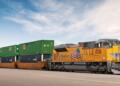
2026 will be a turning point for intermodal transport in Mexico , a year in which Luis Hernández , the new president of the Mexican Intermodal Transport Association (AMTI) , is preparing to transform this key segment of the national logistics sector. His vision for this year is clear: to boost competitiveness in the North American region by standardizing foreign trade processes and converting a larger portion of land freight to the intermodal model. Hernández, who also serves as executive vice president of Intermodal at Grupo México Transportes (GMXT) and Florida East Coast Railway , is confident that this process will be vital for strengthening the sector.
As we move into 2025, the results already point to a positive outlook. In the last year, cross-border traffic experienced a 25% increase, a significant figure attributed to the rise in Mexican exports to its northern neighbors. Furthermore, new rail services to the southeastern and northeastern United States have also played a crucial role in this growth. However, at the national level, the outlook has been less favorable . Although the country continues to experience positive figures overall, the maritime and land transport sectors faced setbacks. In particular, customs changes implemented at key ports such as Manzanillo, Lázaro Cárdenas, and the Mexico City customs office generated cargo delays and a significant shift toward road transport. In fact, the 10% to 12% decline in the maritime sector reflects how regulations and process changes directly impact the intermodal logistics chain.

INTERMODAL BOOST
Nevertheless, optimism persists. “Adapting to these changes will give us a competitive advantage. Once the regulatory challenges are overcome, the sector will be able to attract more cargo, and collaboration with terminals, ports, and customs will be more efficient,” says Hernández, who is convinced that 2026 will be a year of recovery and expansion for the intermodal sector . Furthermore, the growing demand for this transportation model is supported by a favorable economic climate: investments are flowing toward equipment modernization and the arrival of new players in the market. The incorporation of American chassis in Mexico and the growth of players like the Isthmus and Trans-Isthmus Railways, which are seeking to open routes to the southeast of the country, show that the industry is evolving. “The southeast is a crucial point for intermodal operations. If we manage to attract the right participants, this region will become a fundamental engine for the expansion of intermodal transport,” he adds.